
Tips, and Inspiration for Mariners, Sailors, and Sea Enthusiasts
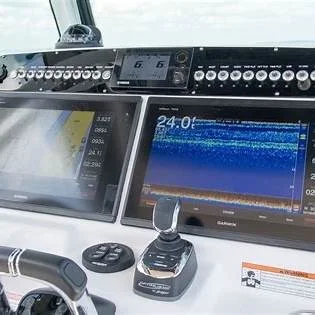
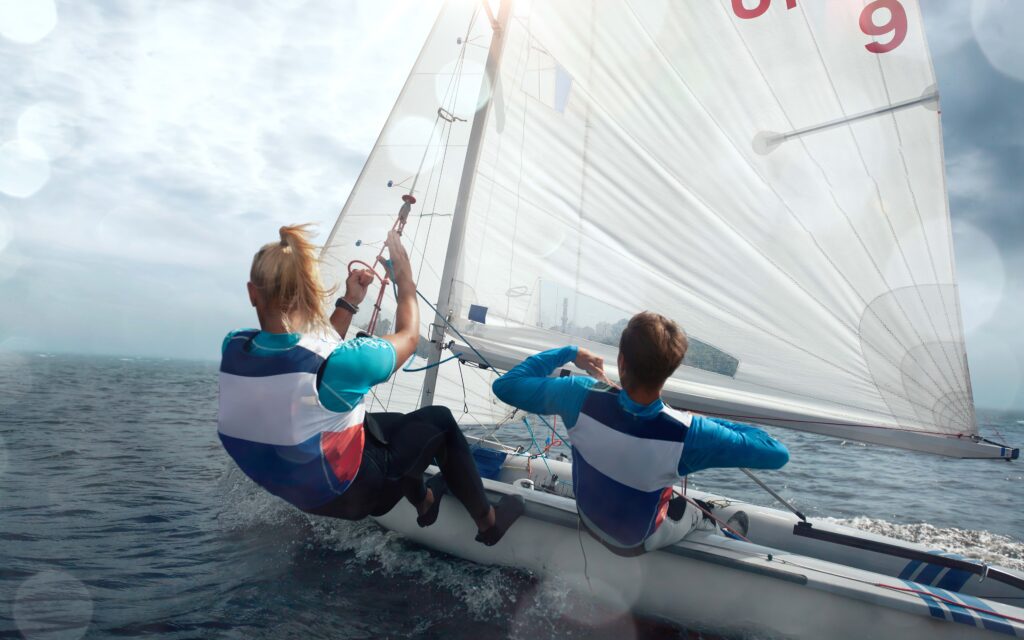
There’s something profoundly magnetic about the sea — the way it calls to those who crave freedom, adventure, and serenity. For boaters, sailors, and sea enthusiasts, life on the water isn’t just a pastime — it’s a lifestyle. The boating lifestyle is about embracing simplicity, respecting nature, and discovering beauty in every tide. Whether you’re an experienced sailor, a weekend cruiser, or someone dreaming of their first voyage, the boating world offers a unique sense of connection — with the ocean, with others, and with yourself. This guide dives deep into the essence of the boating lifestyle, sharing stories, tips, and insights to inspire your next maritime adventure. Boating represents more than recreation — it’s a philosophy. Those who choose life on the water often share traits of curiosity, courage, and calmness. They are explorers by heart and minimalists by nature. Why People Fall in Love with Boating Freedom: The open sea symbolizes limitless possibility — no traffic, no noise, just wind and waves. Connection: Boaters share an unspoken bond — waving to another vessel, sharing anchorage tips, or helping during storms. Mindfulness: The rhythm of waves fosters peace; it’s therapy without walls. Sustainability: Living on or near the sea teaches respect for nature — water conservation, waste reduction, and marine protection become daily habits. Every boater has a unique story, but most fall into one (or more) of these categories: ⛵ The Sailor Drawn to the wind’s power, sailors are traditionalists at heart. They appreciate craftsmanship, patience, and the poetry of movement. ? The Powerboater Thrill-seekers who value speed, convenience, and adrenaline. They love water sports, island-hopping, and coastal cruising. ? The Kayaker or Paddler Eco-minded explorers who prefer quiet waters, intimate coves, and personal connection with nature. ?️ The Liveaboard Individuals or couples who turn their boats into homes — trading urban life for simplicity and sunsets. Their days revolve around maintenance, navigation, and community. Each type reflects a different expression of the boating spirit — but all share the same love for life afloat. Boating unites people across cultures and oceans. In every marina or harbor, you’ll find camaraderie — from shared meals to rescue assistance. Local Clubs and Marinas Joining a local yacht club or boating association can help you network, learn, and participate in regattas or environmental cleanups. Online Boating Communities Forums and social media groups like Cruisers Forum, SailNet, or Reddit’s r/boating bring together sea lovers to exchange tips and adventures. Annual Events Monaco Yacht Show – luxury at its finest. Miami International Boat Show – for gearheads and trendspotters. Cowes Week – historic and thrilling sailing competition. Transitioning to or maintaining a boating lifestyle requires planning and balance. Here are practical tips from seasoned mariners: A. Keep It Simple Space is limited. Prioritize multifunctional gear, collapsible items, and durable essentials. B. Master Maintenance A clean hull, checked engine, and well-tuned sails prevent 90% of problems. Create a monthly checklist. C. Budget Wisely Fuel, docking, and insurance can add up. Smart boaters track every expense and learn to DIY minor repairs. D. Stay Connected Use marine Wi-Fi extenders and satellite communication tools to stay online while offshore. E. Embrace Flexibility Weather changes everything. Learn to adapt plans calmly — the sea rewards patience. True mariners are guardians of the ocean. Practicing sustainability ensures the next generation can enjoy its beauty. Eco-Friendly Habits Switch to biodegradable cleaning products. Install solar panels to reduce fuel use. Use mooring buoys instead of anchors to protect coral reefs. Participate in coastal clean-ups whenever possible. The Rise of Electric and Hybrid Boats The marine industry is shifting toward cleaner energy — from electric outboards to solar-powered yachts. Brands like Silent Yachts and X Shore are pioneering this change. Mark and Julia left their 9-to-5 jobs, sold everything, and embarked on a 3-year voyage. From Tahiti to Greece, their journey taught them resilience, teamwork, and freedom. “The sea stripped away everything unnecessary — what’s left is who you truly are.” B. The Solo Kayaker Who Found Purpose After losing his job, Luis took a kayak and paddled the coast of Portugal. He turned his experience into a blog about marine conservation — inspiring thousands. C. The Family Who Lives Afloat The Johnsons homeschool their kids aboard a 42-foot catamaran. Their children learn geography through navigation and biology through snorkeling. “The ocean is our classroom — every sunrise brings a new lesson.” Improves cardiovascular fitness through paddling or sailing. Encourages movement, balance, and flexibility. Mental Health Reduces stress and anxiety. Boosts creativity and focus. Promotes mindfulness — there’s no room for distraction at sea. Social Health Boating fosters togetherness. From dock parties to joint rescues, it builds strong, genuine relationships. Technology has revolutionized how people experience the sea. Smart Navigation Tools GPS chart plotters and autopilot systems make sailing safer and easier. Marine Apps Navionics: for digital charts. Windy: for real-time weather data. Dockwa: for booking marina slips. Wearables and Smart Sensors New devices monitor fuel, weather, and engine health — helping boaters make informed decisions. Whether you dream of island-hopping or tranquil lakes, here are world-class destinations: The Caribbean: turquoise waters and vibrant harbors. The Greek Isles: history meets hospitality. The Norwegian Fjords: majestic beauty and solitude. Thailand’s Phang Nga Bay: limestone cliffs and emerald water. New Zealand’s Bay of Islands: sailor’s paradise. Each destination offers different challenges and joys — from navigating reefs to exploring hidden coves. Boating is evolving — becoming smarter, greener, and more inclusive. New generations are embracing shared ownership, digital navigation, and eco-tourism. Trends to watch: Electric propulsion and AI navigation. Boat-sharing platforms. Sustainable marinas. Hybrid adventure travel combining yachting and wellness retreats. The modern boater values not just luxury, but purpose — turning every voyage into a journey toward balance and discovery. Conclusion: Living the Boating Dream The boating lifestyle isn’t defined by the size of your vessel, but by the depth of your passion. It’s about sunrises at anchor, laughter with friends, and quiet reflection under the stars. It’s a life of